
Direct Answer: Selecting the Ideal Roof for Tampa Bay's Extreme Coastal Climate
For homeowners on the Pinellas Peninsula, no single roofing material is universally superior for every property; the optimal choice depends on your structural truss engineering, distance from saltwater coastlines, architectural style, and long-term investment horizon. Standing seam coastal aluminum is the absolute pinnacle of hurricane and salt-spray defense, offering 150+ mph wind ratings and zero salt corrosion, but carries the highest initial installation cost.
Concrete and clay barrel tiles deliver timeless Mediterranean aesthetics, outstanding thermal insulation mass, and heavy wind ballast, but require robust framing capable of supporting 900 to 1,200 pounds per square. Modern architectural dimensional shingles represent the most economical, versatile choice, providing Class 4 impact resistance and 130 mph wind warranties at half the cost of premium systems.
Architectural Asphalt Shingles: Budget-Friendly and Wind-Rated
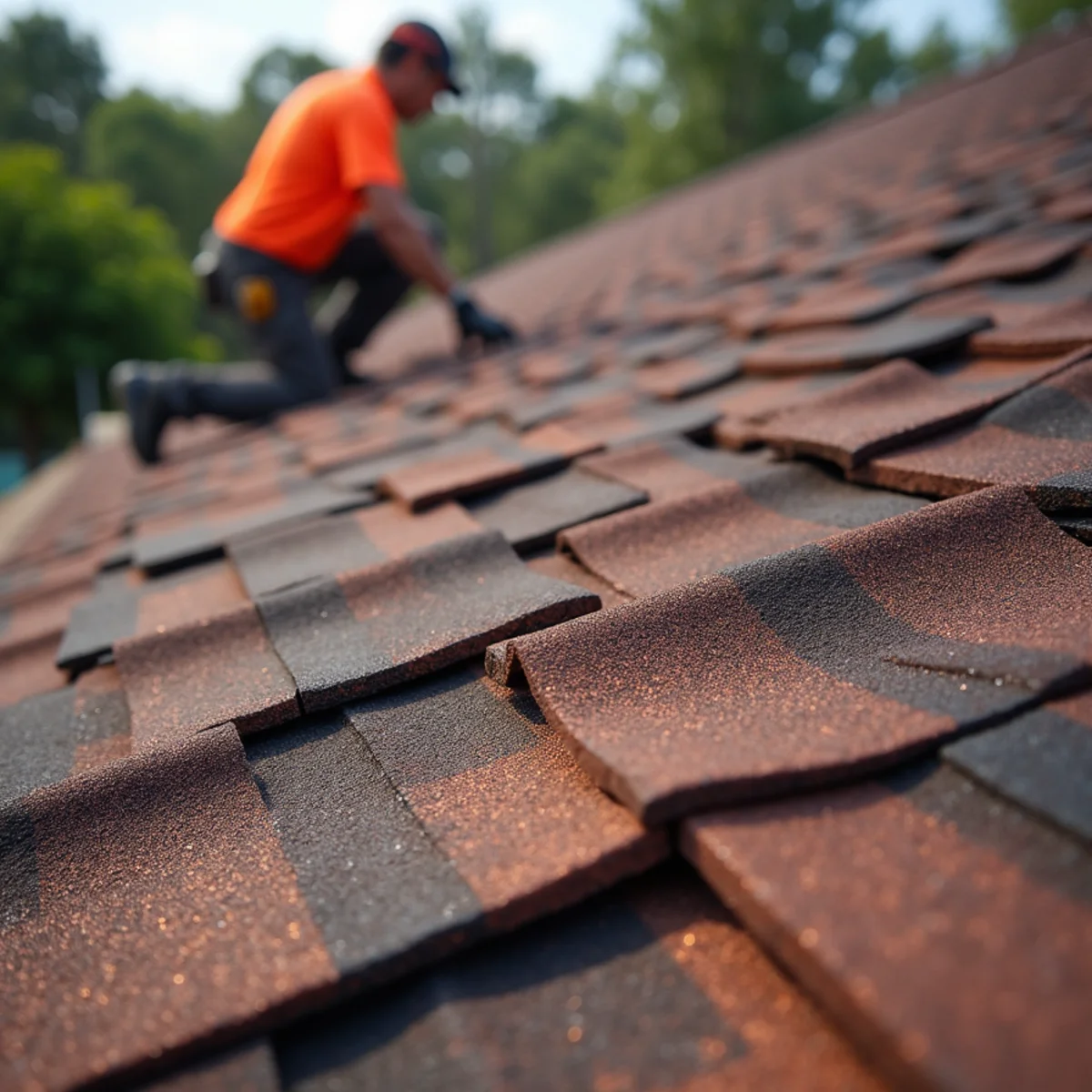
Modern dimensional shingles are engineered far beyond the flimsy 3-tab shingles of previous decades. Constructed from two layers of fiberglass mat coated in weather-grade asphalt and surfaced with ceramic-coated granules, architectural shingles offer excellent aesthetic depth resembling wood shakes.
When installed according to Florida Building Code enhanced high-wind specifications—utilizing a 6-nail pattern and self-adhering secondary water resistance (SWR) underlayment—architectural shingles earn a 130 mph wind uplift rating. For homeowners planning to move within 10 to 15 years, architectural shingles deliver the highest immediate return on investment.
Need Immediate Guidance on Your Clearwater Roof?
Speak with our local coordinator at (773) 207-0769. Open 24/7 with rapid Pinellas County response.
Concrete and Clay Tile: Mediterranean Elegance and Thermal Mass
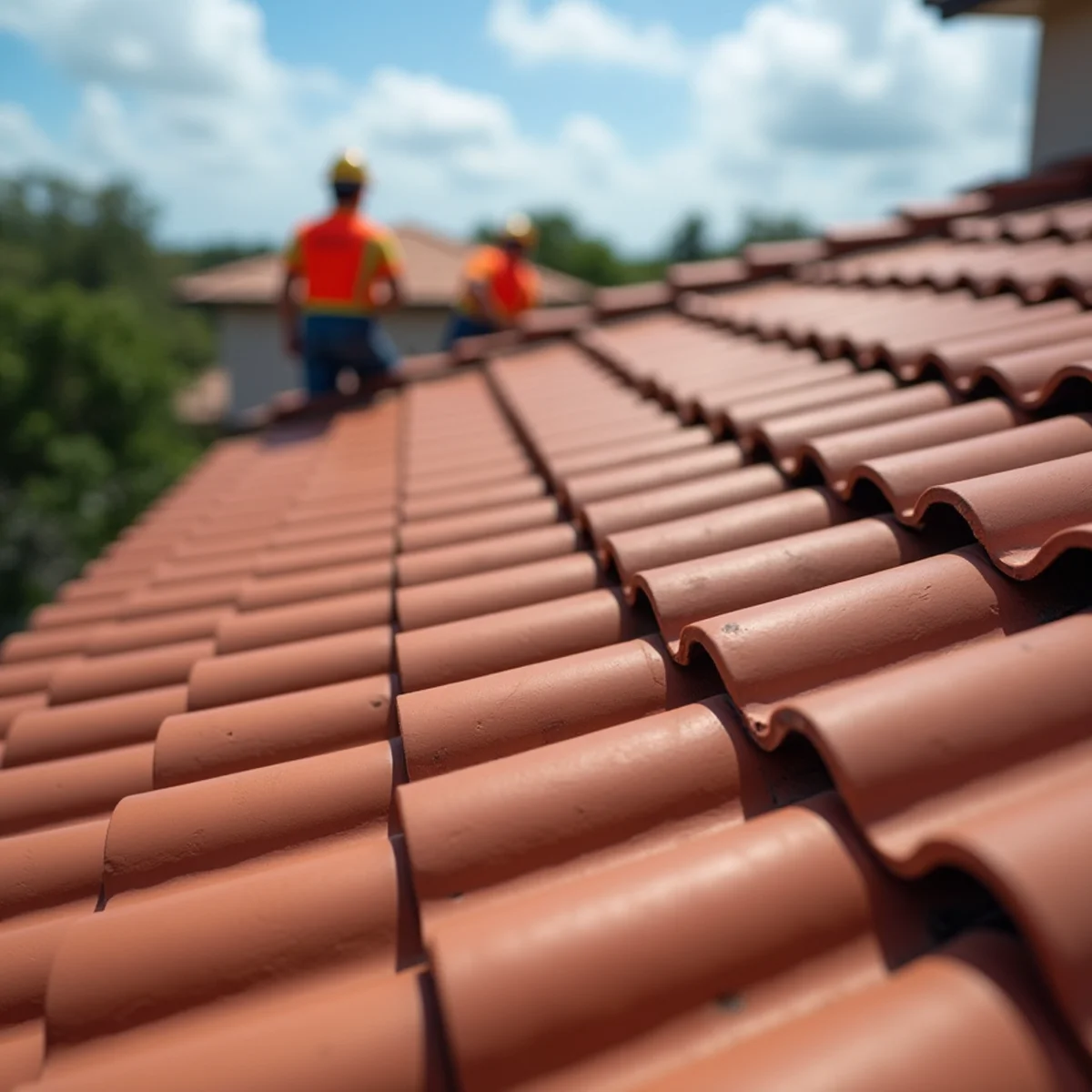
Tile roofs define the architectural landscape of coastal Florida, from Clearwater Beach estate homes to historic Spanish Revival properties in Dunedin and St. Petersburg. Beyond their curb appeal, concrete and clay tiles provide formidable natural performance advantages.
Their immense mass creates an acoustic dampener during violent thunderstorms and insulates attics through thermal mass lag, slowing heat transfer into living spaces. However, tiles are heavy. Homes originally engineered for lightweight shingles must undergo a structural engineering inspection before converting to tile to confirm roof trusses can bear the load.
Standing-Seam Coastal Aluminum: The Hurricane Champion
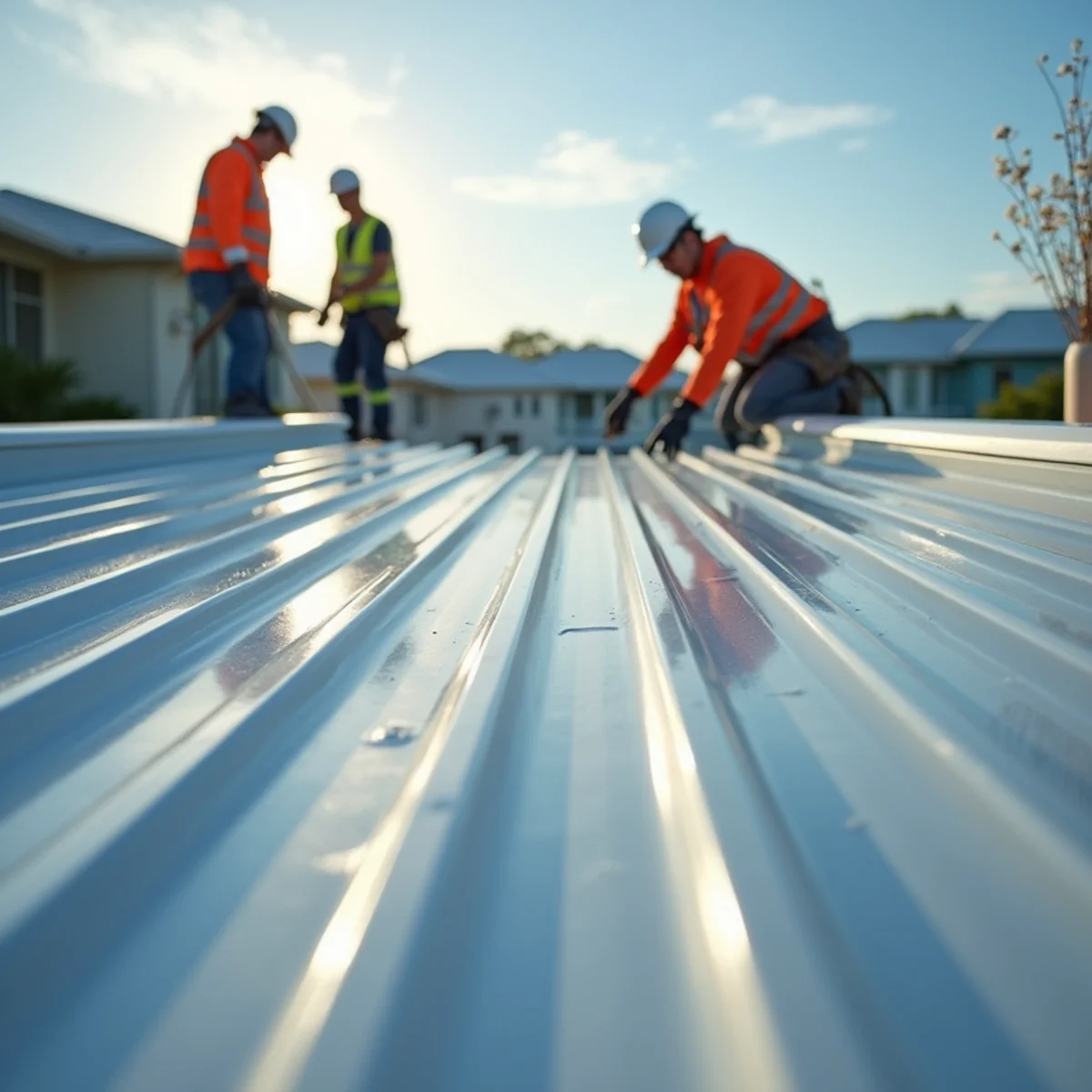
For maximum hurricane survivability and longevity within 3,000 feet of Tampa Bay or the Gulf of Mexico, standing-seam metal roofing is the undisputed leader. Unlike exposed-fastener corrugated metal panels whose rubber screw gaskets dry out and leak every 7 years, standing-seam systems utilize concealed clips and mechanical interlocking seams.
In coastal environments, material choice is paramount: steel panels (even Galvalume) will eventually suffer edge-creep corrosion from airborne saltwater chlorides. For coastal Pinellas homes, marine-grade aluminum (.032 or .040 gauge) with a Kynar 500 resin finish is impervious to salt corrosion, reflects over 70% of solar radiant heat, and easily withstands 150+ mph Category 4 and 5 hurricane winds.
Comprehensive Comparison: Shingles vs. Tile vs. Metal for Pinellas Homes
Evaluating the major attributes of each material side-by-side clarifies which system aligns best with your property goals.
| Feature / Metric | Architectural Shingles | Concrete / Clay Tile | Standing-Seam Aluminum |
|---|---|---|---|
| Installed Cost (per sq ft) | $4.50 – $7.50 | $11.00 – $18.50 | $12.00 – $19.50 |
| Realistic Florida Lifespan | 18 – 25 Years | 35 – 50+ Years (tiles) | 50+ Years (lifetime) |
| Wind Uplift Resistance | Up to 130 mph | Up to 140+ mph | Up to 160+ mph |
| Salt Spray Corrosion Resistance | Moderate (algae resistant granules) | High (inert concrete/clay) | Exceptional (marine-grade aluminum) |
| Structural Weight (per 100 sq ft) | 240 – 320 lbs | 900 – 1,200 lbs | 70 – 110 lbs |
| Insurance Premium Discount | Moderate wind mitigation credit | High wind mitigation credit | Maximum wind mitigation credit |
Insurance Premium Reductions and Wind Mitigation Credits
In Florida's challenging insurance climate, your choice of roofing material directly impacts your annual homeowners insurance premium. Installing a new roof with direct-to-deck self-adhering secondary water resistance and 8d ring-shank nails triggers mandatory discounts under the Florida Office of Insurance Regulation (OIR-B1-1802 Form).
Metal and tile roofs frequently unlock top-tier discounts on the windstorm portion of your policy, saving Pinellas homeowners between $600 and $2,200 every year in premium costs. Taking advantage of available utility energy efficiency incentives and windstorm insurance rate discounts allows Clearwater homeowners to recover a significant portion of their upfront roofing investment.
Energy Star Ratings, Radiant Barrier Sheathing, and Duke Energy Rebates
Cool roofing is not just about storm survival; it has a massive impact on your home monthly operating budget. In Pinellas County, air conditioning accounts for over 50% of summer electric bills.
Metal roofs coated with Kynar 500 reflective pigments and specialized cool-roof architectural shingles reflect infrared heat, keeping attic spaces up to 30°F cooler. Pairing these reflective materials with radiant barrier roof decking sheathing qualifies homeowners for energy efficiency tax credits and local utility rebates from Duke Energy Florida.