Symptoms That Require Professional Attention
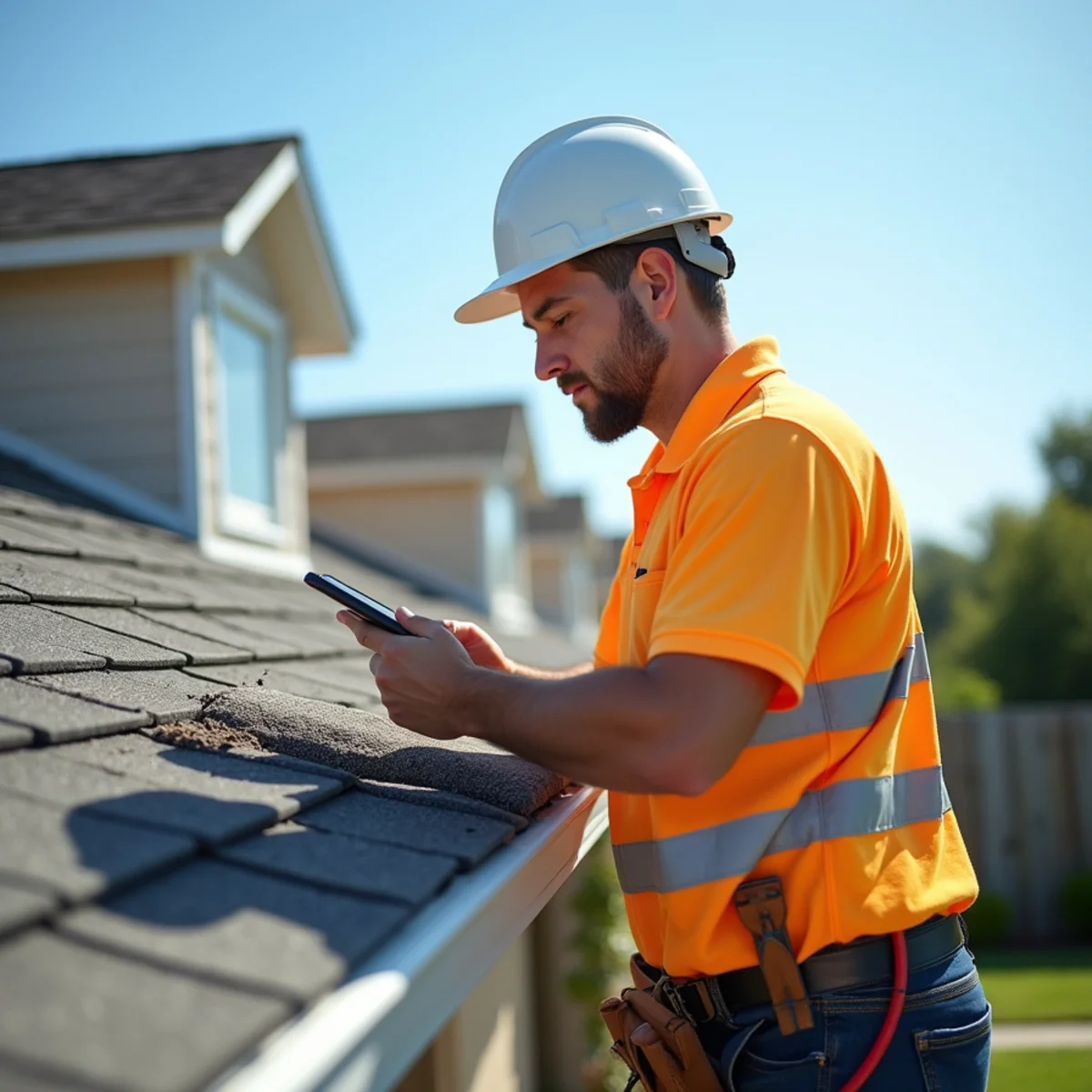
If your property exhibits any of the following issues, immediate intervention halts wood rot and prevents structural decking failure:
When a Roof Inspection Is Worth the Call in Clearwater
In Pinellas County's volatile roofing environment, waiting for water to drip from a dining room chandelier before calling a roofing professional is an expensive gamble. A comprehensive roof inspection provides actionable, objective clarity on your home's most critical defense system.
The most common trigger for a professional inspection today is insurance underwriting. With major Florida property insurers tightening guidelines, homeowners frequently receive letters demanding verification that an aging roof possesses at least three to five years of remaining useful life.
Other critical occasions include buying or selling a home, where a certified inspection report provides vital leverage during contract negotiations, and conducting post-storm evaluations immediately following tropical weather to document damage before statutory claim deadlines expire.
What the Roofer Checks: Covering, Flashing, Decking, Attic, and Ventilation
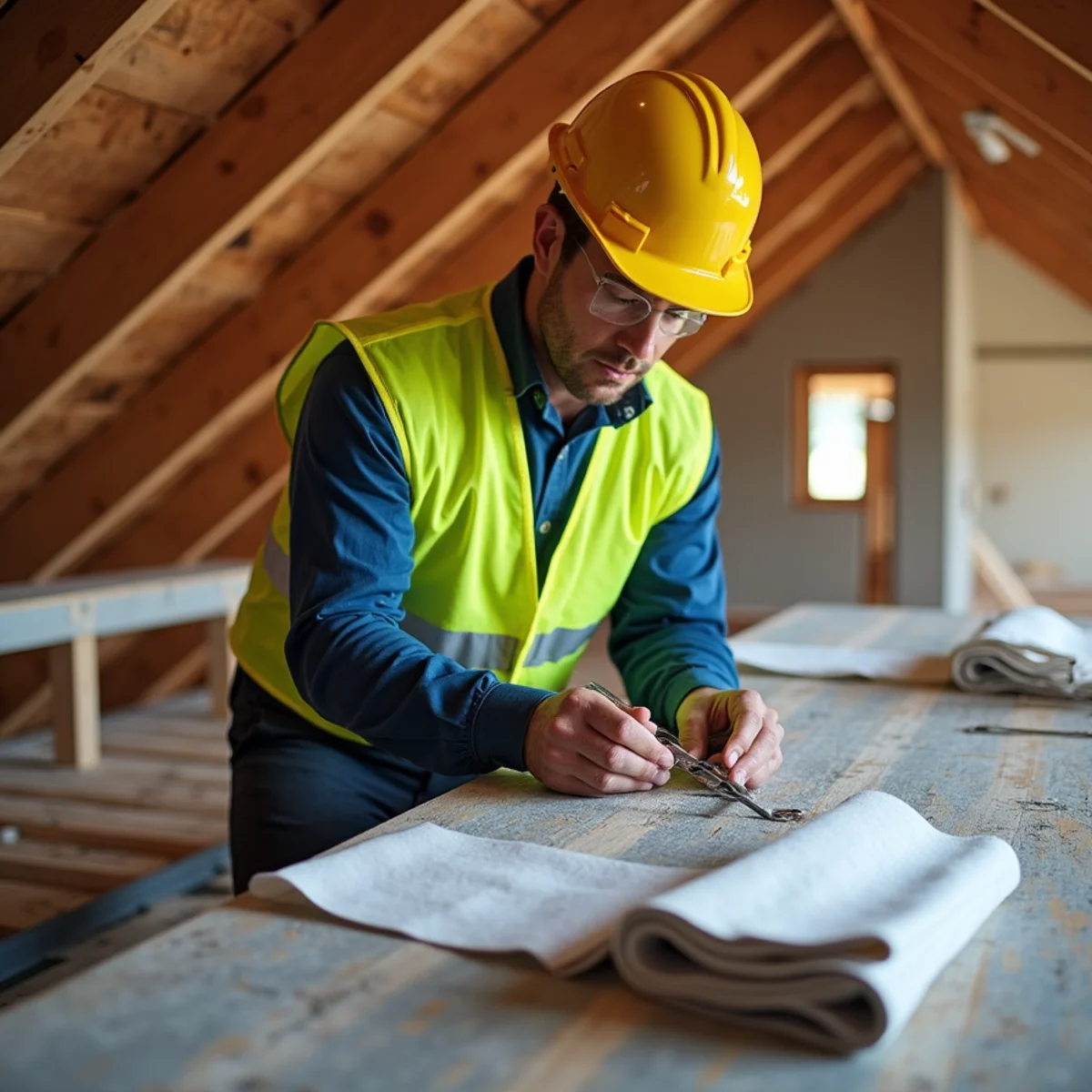
Our roof inspections evaluate the complete building envelope from both exterior vantage points and interior attic spaces:
**Exterior Covering:** We test shingle pliability, measure granule loss, evaluate thermal seal adhesion, and check for tile cracks, displacement, or mortar deterioration.
**Flashings & Terminations:** We physically examine chimney flashings, skylight perimeters, wall step flashings, valley pans, and plumbing pipe boot collars.
**Decking & Structural Framing:** We walk the roof surface to detect spongy plywood decking indicating rot, and inspect attic rafters for water staining, mold colonies, or fastener pull-through.
**Attic Ventilation:** We verify the functional balance between intake soffit vents and exhaust ridge vents to ensure heat and humidity are not trapped inside your roof cavity.
Need Urgent Roof Inspection in Clearwater?
Call (773) 207-0769 for immediate routing to our nearest Pinellas County crew. Written estimates upfront.
Roof Age and the 15-Year Rule: Showing 5 or More Years of Useful Life
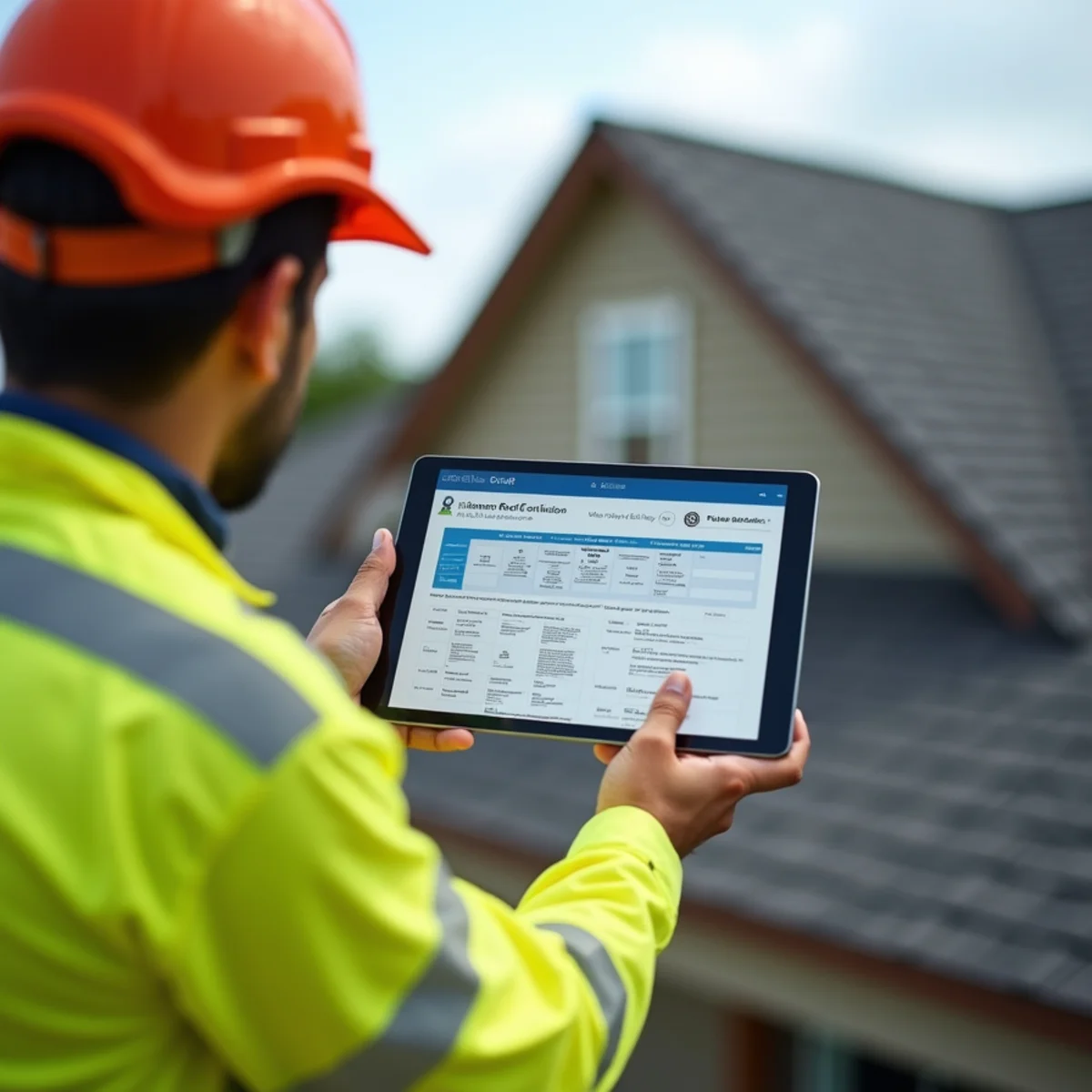
Under Florida Statute § 627.7011, when an insurance carrier issues a non-renewal or cancellation notice based solely on a roof exceeding 15 years of age, the homeowner has the legal right to obtain a certified roof condition inspection. If a licensed roofing contractor certifies that the roof has 5 or more years of remaining useful life, the carrier is prohibited from denying coverage on roof age grounds alone.
Our inspectors are intimately familiar with insurer documentation criteria. We supply the standardized photographic evidence, shingle condition metrics, and professional certifications required by underwriters to satisfy policy renewals.
Roof Inspection vs. Wind Mitigation vs. 4-Point: What You Need to Know
Homeowners frequently confuse the different inspection reports requested in Florida:
**Certified Roof Inspection:** Performed by a licensed roofing contractor to diagnose structural defects, assess leak risks, determine remaining useful life, and provide detailed repair or replacement scopes.
**Wind Mitigation Inspection:** Uses Florida Form OIR-B1-1802 to document wind-resistant construction features (roof deck attachment nail size, roof-to-wall hurricane clips, secondary water barriers). Its sole purpose is calculating insurance premium discounts.
**4-Point Inspection:** Focuses on the general condition of four major systems (Roof, Plumbing, Electrical, HVAC) on homes older than 20 years to confirm basic insurable safety.
Rising Roofers provides certified roofing condition assessments and works alongside certified home inspectors when combined wind mitigation reports are required.
The April–May Pre-Hurricane Inspection Protocol: Proactive Defense Before Storm Season
The Atlantic hurricane season runs annually from June 1 through November 30, with peak storm activity impacting the Tampa Bay region from mid-August through late October. Waiting until a tropical storm warning is broadcast across Pinellas County leaves zero time for preventative maintenance, as roofing materials sell out and contractor schedules fill instantly.
Our specialized April–May Pre-Hurricane Inspection protocol focuses on proactive perimeter hardening. Technicians examine the high-uplift zones of your roof—eave starter strips, gable rake edges, and hip ridge caps—where wind forces first try to peel shingle courses upward.
We physically test shingle thermal seal tabs to ensure wind resistance, inspect off-ridge exhaust vents to verify internal hurricane baffles are unblocked, clear accumulated pine needles and oak debris from valley troughs, and check for loose coastal fasteners along gutter aprons and drip edges. Identifying and repairing minor sealant voids in spring ensures your roof withstands summer gale gusts with zero interior water leaks.
Our Inspection-to-Completion Process
Exterior Perimeter & Deck Assessment
Thorough evaluation of roof geometry, shingle pliability, granule adhesion, tile integrity, and structural decking alignment.
Penetrations & Flashing Diagnostics
Close inspection of critical vulnerability points including plumbing pipe boots, step flashings, valley pans, drip edges, and ridge ventilation.
Internal Attic & Framing Verification
Attic inspection to check the underside of roof sheathing for moisture rot, inspect truss attachments, and evaluate ventilation balance.
Comprehensive Written & Photographic Report
Delivery of a clear, certified condition report containing high-resolution color photographs, remaining useful life estimates, and repair scopes.
What Affects the Cost of Roof Inspection in Clearwater?
Rather than providing arbitrary over-the-phone estimates, our contractors evaluate the exact mechanical conditions of your roof plane to provide an accurate, written scope:
- Scope of inspection: basic visual check versus comprehensive certified insurance condition report with full photo logging.
- Home size and roof configuration: multi-story homes with complex cut-up roof lines and steep pitches take longer to inspect safely.
- Attic accessibility: full traversal of tight attic spaces for sheathing and truss inspection.
- Urgency of documentation: expedited turnaround for pending home closing deadlines or impending insurance cancellation dates.
Why Pinellas Homeowners Choose Rising Roofers for Roof Inspection
Roofing in coastal Florida demands strict technical adherence to building codes and manufacturer specifications. We ensure your home is protected by proven professionals:
Every contractor is vetted for active Florida DBPR licensure, commercial general liability, and mandatory workers’ compensation.
Live emergency intake answers at (773) 207-0769 around the clock. No overseas answering services or unanswered voicemails.
Detailed line-item scopes itemizing labor, materials, permits, and disposal. You approve the exact cost before work begins.
All repairs and installations meet High-Velocity Hurricane Zone (HVHZ) engineering and Florida Building Code wind uplift standards.
Roof Inspection — Common Questions
Expert answers regarding Florida building code compliance, timing, and warranties.
Under Florida law (F.S. § 627.7011), you can arrange an inspection by a licensed roofing contractor. If the inspection confirms that your roof has at least 5 years of remaining useful life, the contractor can provide a certified Roof Condition Certification. Submitting this report to your carrier prevents them from cancelling your coverage solely on the basis of roof age.
Have More Questions About Roof Inspection?
Our local team is on call 24 hours a day at (773) 207-0769 to discuss your Clearwater roof.
Local Pinellas County Communities We Serve
In addition to Clearwater, our certified roofing crews dispatch across the 30-minute north Pinellas corridor: